
Smart Thermostat Installation Ada, OK: A Practical Guide
A smart thermostat can make an Ada home more comfortable and take some of the guesswork out of heating and cooling, but only if it suits the system it is controlling and is set up properly. Ada All Seasons Heating And Air installs and programs thermostats as part of its work across Pontotoc County, and this guide covers what a smart thermostat actually does, whether your wiring suits one, and how to get the most from it through an Oklahoma year.
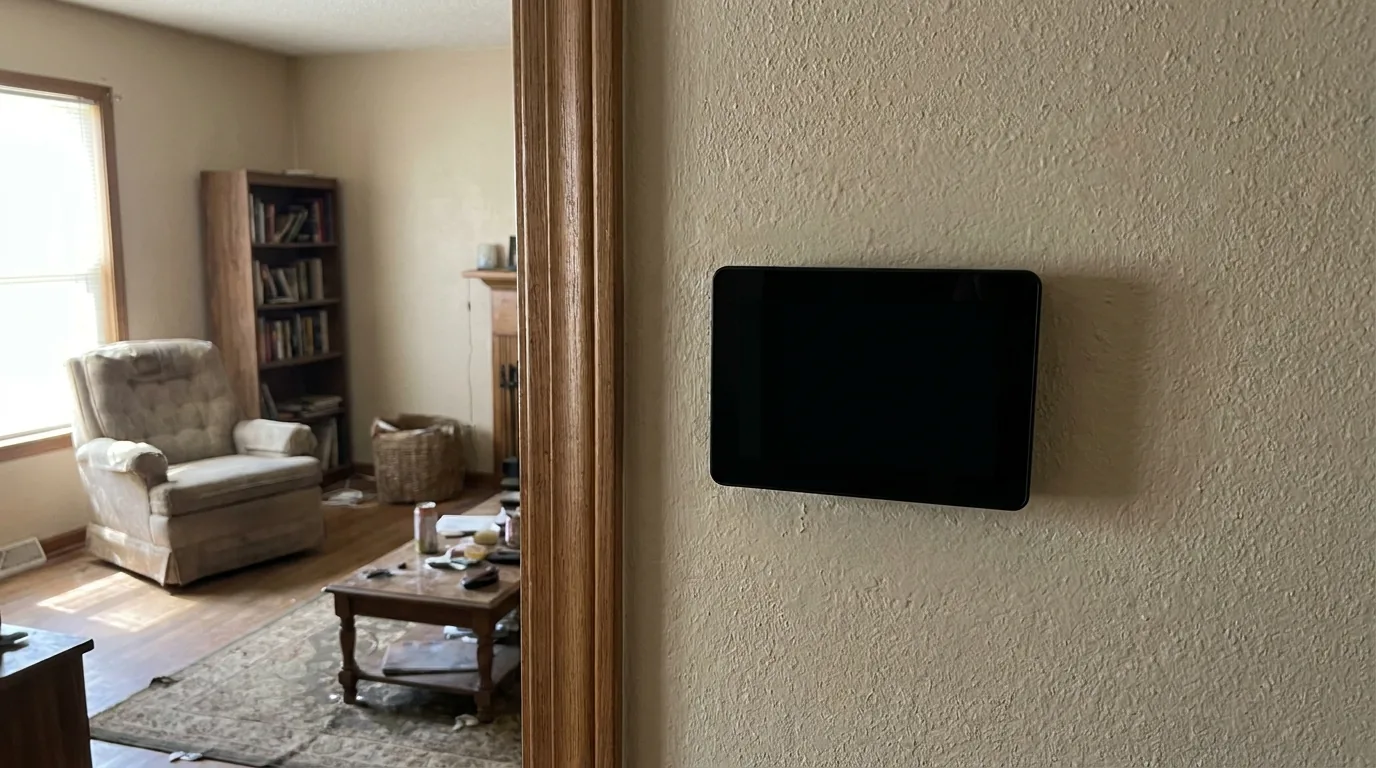
What does a smart thermostat actually do?
A smart thermostat does the same basic job as any thermostat: it tells the furnace or air conditioner when to run. What it adds is scheduling that is easier to set, control from a phone, and in many models the ability to learn your routine or notice when the house is empty. For an Ada household, the practical benefit is running the air conditioner less hard while everyone is out on a summer afternoon, and warming the house before people get up on a winter morning, without anyone having to remember to change the setting.
A smart thermostat does not fix a system that is struggling. If the air conditioner cannot keep up on a hot day, or the furnace short cycles, the thermostat will only report the problem more precisely. Ada All Seasons Heating And Air suggests dealing with the system first.
Is your wiring ready for a smart thermostat?
This is the question that decides most installations. Many smart thermostats need a constant supply of power, which usually comes through a common wire, often labelled C, running from the system to the thermostat. Older homes in Ada frequently have only two wires at the thermostat, which is enough for a basic heating control but not always enough for a smart one.
Two wires at the wall
Some smart thermostats can work with limited wiring, and some cannot. Where a common wire is needed and missing, the options include running a new wire or fitting an adapter at the system. Ada All Seasons Heating And Air can look at the wiring and say which applies to your home.
Heat pumps and multi-stage systems
Systems with more than one stage of heating or cooling, or heat pumps, use extra wires and need a thermostat that supports them. Matching the thermostat to the equipment matters more than the brand.
Compatibility before purchase
Checking compatibility before buying saves a return trip to the shop. Photograph the existing thermostat wiring, with the power off, and it becomes much easier to tell what the system has.
How should a smart thermostat be programmed for Oklahoma?
The best schedule follows how the house is actually used. A common pattern for an Ada home is to let the temperature drift upward in summer while the house is empty and bring it back down shortly before people return, and to lower it a few degrees at night in winter. Big swings are not needed; a few degrees makes a real difference to how hard the system works.
In summer, avoid setting the air conditioner very low to cool the house faster. It does not cool faster, it simply runs longer to reach a lower target. In winter, the same applies to setting the heat very high. Moderate, steady setpoints are kinder to the equipment and to the bill.
Where should a thermostat be mounted?
Where the thermostat sits matters as much as which one it is, because it can only react to the air around it. Ada All Seasons Heating And Air looks for an interior wall in a room the household actually uses, away from direct sunlight, supply vents, kitchen heat, drafty doors and exterior walls. A thermostat in afternoon sun on a west-facing wall in Ada will think the house is warmer than it is and run the air conditioner harder than needed. Moving an existing thermostat is sometimes the cheapest comfort improvement available.
Which settings make the most difference?
The settings that save the most are the ones that match the system to when the house is occupied: a higher cooling setpoint while everyone is out in summer, a lower heating setpoint overnight and while away in winter, and recovery times that bring the house back to temperature just before people return. Features such as learning schedules and away detection help most in households with irregular routines. For a home where someone is in all day, a simple steady schedule often does just as well.
What does professional installation add?
Fitting a thermostat is a small job, but it touches the controls of the whole system. When Ada All Seasons Heating And Air installs one, the wiring is checked against the equipment, the thermostat is configured for the correct system type and stages, and the heating and cooling are both tested from the new thermostat before the technician leaves. A thermostat configured for the wrong system type can short cycle the equipment or fail to call for heat at all.
Common questions about smart thermostats
How much does it cost to have a smart thermostat installed?
It depends on the thermostat and on whether the existing wiring suits it. A straight swap is a short job; a home that needs a common wire run or an adapter takes longer. Ada All Seasons Heating And Air will look at the wiring and explain the options.
Is there a downside to smart thermostats?
They depend on compatible wiring, and some features rely on a home internet connection. A smart thermostat also cannot compensate for a system that is undersized or failing, so the equipment should be in good order first.
Can I use a smart thermostat if I only have two wires?
Sometimes. Some models are designed for limited wiring, while others need a common wire or an adapter. Checking before you buy avoids surprises.
Where can you get help in Ada?
Ada All Seasons Heating And Air installs and programs thermostats across Ada and the surrounding towns, including Byng, Pickett and Latta. If the system itself needs attention, see HVAC maintenance or AC repair in Ada, or call (580) 436-6055.
What should you check yourself before buying a smart thermostat?
Start at the wall. Turn off the system's power at the breaker or the switch, remove the old thermostat's cover and count the wires actually connected, not just the terminals present, since an unused terminal can be empty behind the plate.
Photograph the wiring before you disconnect anything, with each wire's letter and colour visible. Then check what the house has: a single conventional furnace and air conditioner, a heat pump, or a system with more than one stage, because that answer decides which thermostats will actually work before you have spent anything on one.
What happens during a smart thermostat installation visit?
The technician turns the system off at the breaker before touching any wiring, then removes the old thermostat and checks the wires against what the new one needs. If a common wire is missing and the system supports an adapter instead of a new wire run, that gets fitted at the equipment rather than at the wall.
The new base plate goes up level, the wires connect to the labelled terminals, and the system type and stages are set in the thermostat itself, not left on a default that may not match your furnace or air conditioner. Before the technician leaves, both heating and cooling are run from the new thermostat to confirm the system responds correctly, and the app or schedule is set up if you want it done that day rather than later on your own.
What affects the cost of a smart thermostat installation?
The thermostat itself is one factor, since features like room sensors, humidity control and longer app history all add to the price of the unit before labour is even counted. Whether the wiring already includes a common wire, or needs one run or an adapter fitted, is usually the bigger factor.
A heat pump or a multi-stage system needs a thermostat built for it and more care wiring it correctly, which takes longer than a simple furnace and air conditioner swap. A home with more than one system, each needing its own thermostat, multiplies the job rather than adding to it.
How long does an installation usually take?
How long an installation takes depends mostly on the wiring already in the wall. A straightforward swap, where that wiring suits the new thermostat, is the quickest kind of job. Work that involves running a new wire, fitting an adapter at the equipment, or setting up more than one zone takes longer, and the honest answer depends on what the technician finds behind the old thermostat, not on the model you picked.
Why do heat pumps need a different kind of thermostat?
A heat pump moves heat rather than burning fuel for it, and below a certain outdoor temperature it needs help from backup electric heat strips to keep up, often called auxiliary or emergency heat. A thermostat built for a simple furnace and air conditioner does not know this staging exists and can call for the expensive backup heat far more than necessary.
The right thermostat for a heat pump manages that handoff, using the heat pump alone whenever it can still keep up and only calling the backup strips when it genuinely cannot. Getting this wrong does not damage the equipment, but it can turn an efficient heat pump into an expensive one every time the weather turns cold.
More guides like this one are on the Ada All Seasons Heating And Air guides page.